You Aren’t Falling Behind Everyone Else. You’re Just a Late Bloomer.
“Why have others figured life out but I haven’t?”
“Other people my age seem to have their shit together. I must be the problem….”
“I should have figured this out by now!”
These are the kind of thoughts that have followed me through much of my life (I’m 35 now).
Despite having a good handle on how much emotional investment I place on the thoughts that enter my awareness in a day, it still feels difficult sometimes to shake the feeling of embarrassment and insecurity that comes with thinking, “I should be farther along than I am…”
I’m acutely aware that this anxiety and embarrassment about not being further along is not unique to me. It is baked into how our society views growth and development.
Do it bigger, faster, more. And it should have all been done by yesterday.
This way of thinking has also infected personal growth and self-development. Perhaps you’ve heard some of the following “shoulds” growing up:
You should:
know what you want to study by now
have lost your virginity by now
be married by now
have established your career by now
be earning six-figures by now
And if you’ve done that, then you should:
be an expert by now
slept with even more people by now
have had several kids by now
be #1 in your field by now
be earning seven-figures by now
What sort of message is this planting in the subconscious minds of people? You are never where you should be. And once you are, you should be somewhere else.
We should not be surprised that anxiety, impostor syndrome, and shame are rampant in modern society. Neurosis is inevitable in a society that orients itself around such a soulless, cold, mechanized, and automated view towards growth.
Fortunately, there are the late bloomers.
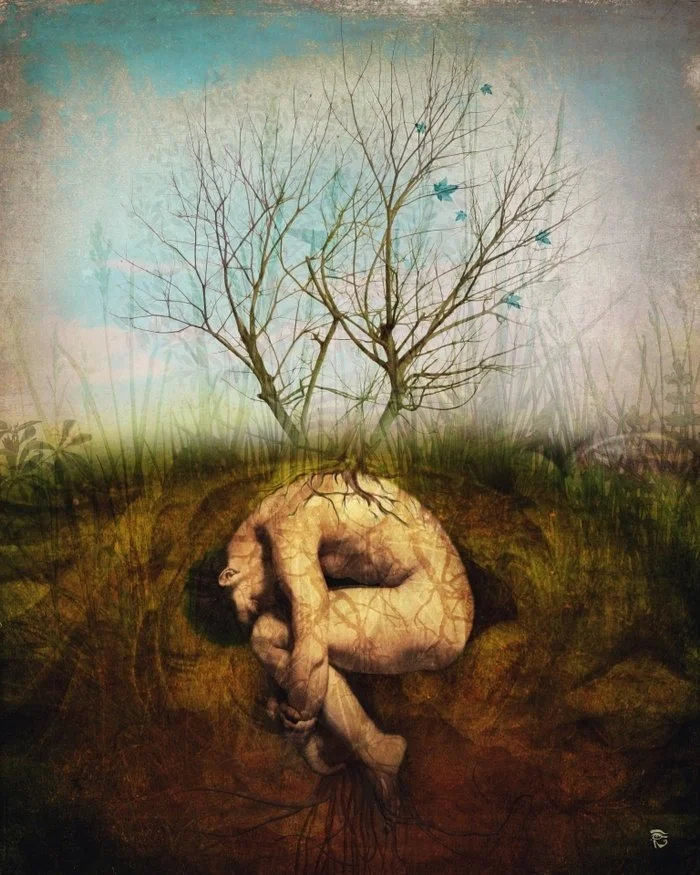
The Dreaming Tree by Christian Schloe
The late bloomers are the ones who did not bloom and grow at the speed of those around them. They are like chrysanthemums that are slower to mature. While most flowers bloom in spring and summer, chrysanthemums spend those months gathering energy to build a strong base before they flower in the fall.
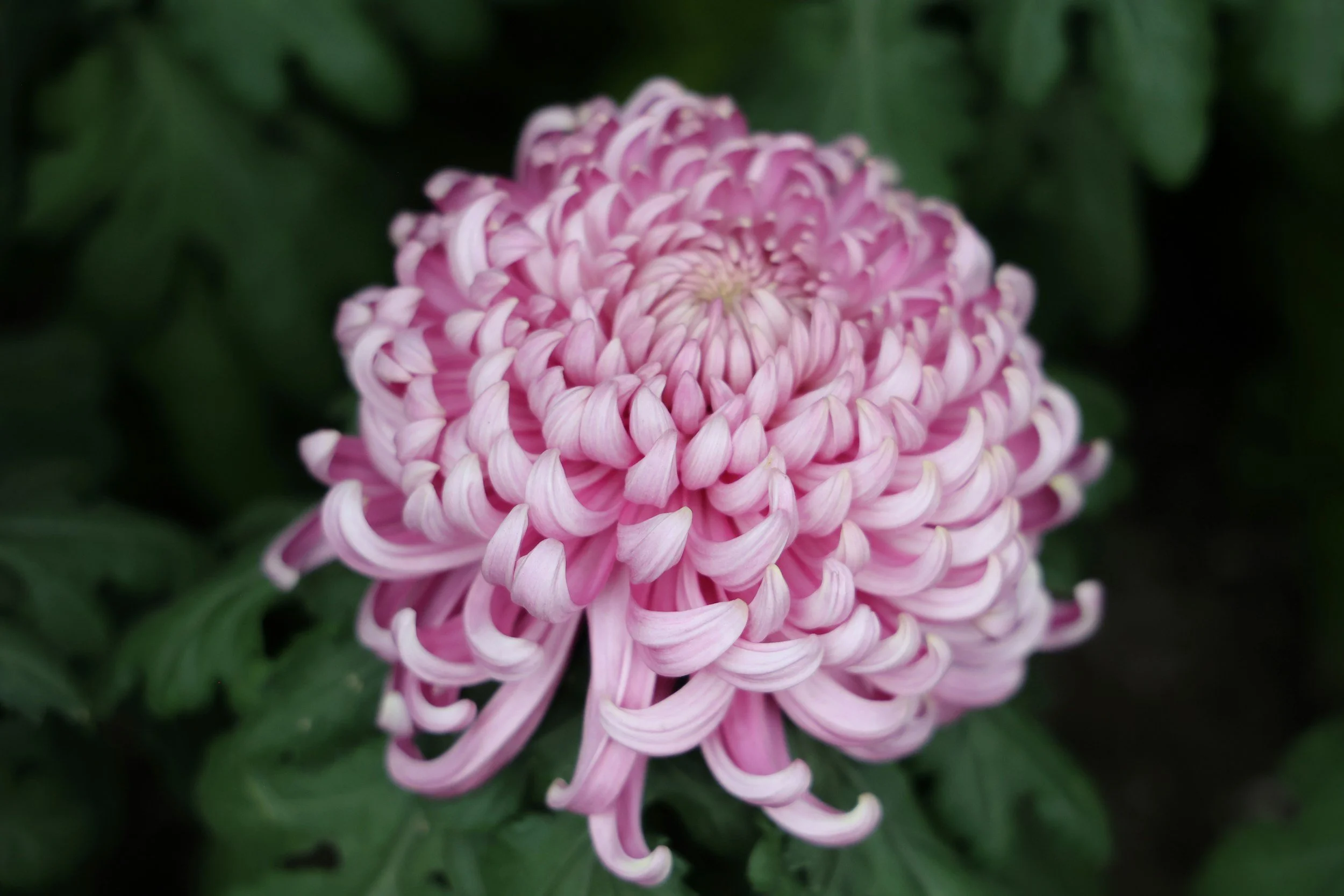
Are the chrysanthemums more inferior to the tulips because they bloom later?
Should we stand over the chrysanthemums and shout, “why aren’t you optimizing and biohacking your growth!?”
Should we coerce the chrysanthemum to abandon its own rhythm in order to fit the rhythm of the tulips that bloom in the spring?
If we did do such a thing I’d be the chrysanthemum looking at the tulips and thinking, “am I fucking something up? Are my chloroplasts not photosynthesizing correctly?”
Fortunately, we do none of those things. We recognize and respect the natural rhythm of chrysanthemums. And once they bloom, we marvel at their beauty. This is the wisdom the late bloomer is here to remind us of.
Late bloomers reject the idea that their becoming must be stamped with a date or age. They know there is a necessary gestation period required for the life that desires to be birthed through them.
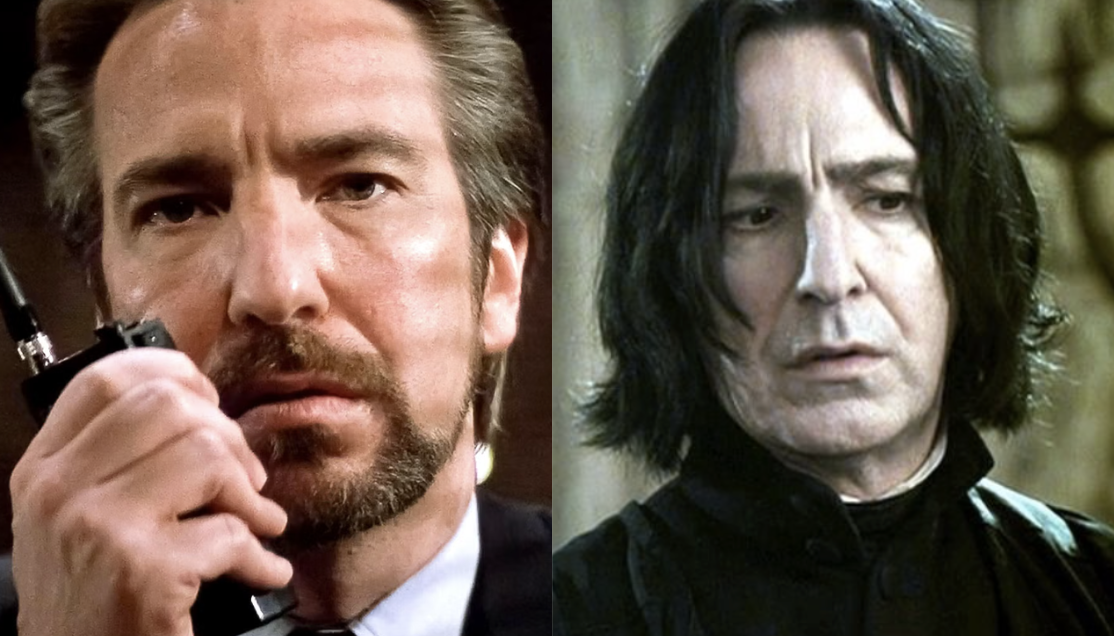
Alan Rickman worked in graphic design before going into theater in his mid-20s. Only at age 42 did he become famous after his debut in Die Hard. His legacy then became immortalized at the age of 54 after he played Severus Snape in the Harry Potter movies.
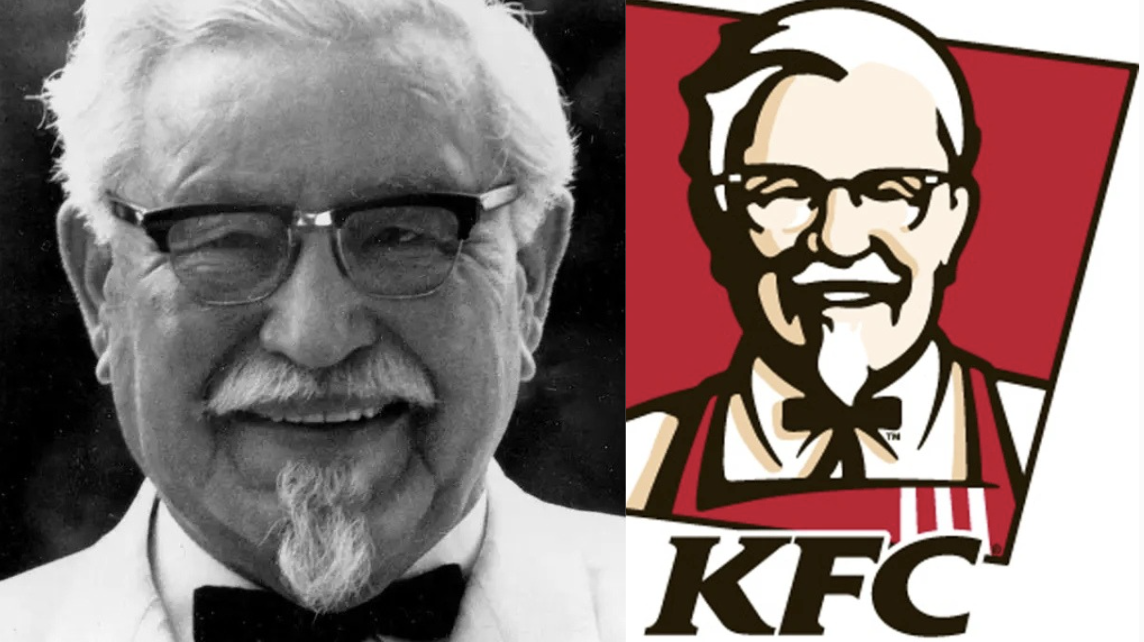
Colonel Harland Sanders was 65 when his fried chicken recipe was franchised after being rejected 1,009 times. Prior to that he worked numerous jobs that ended in termination and financial loss. Now you can’t go anywhere without finding a KFC somewhere in the city.
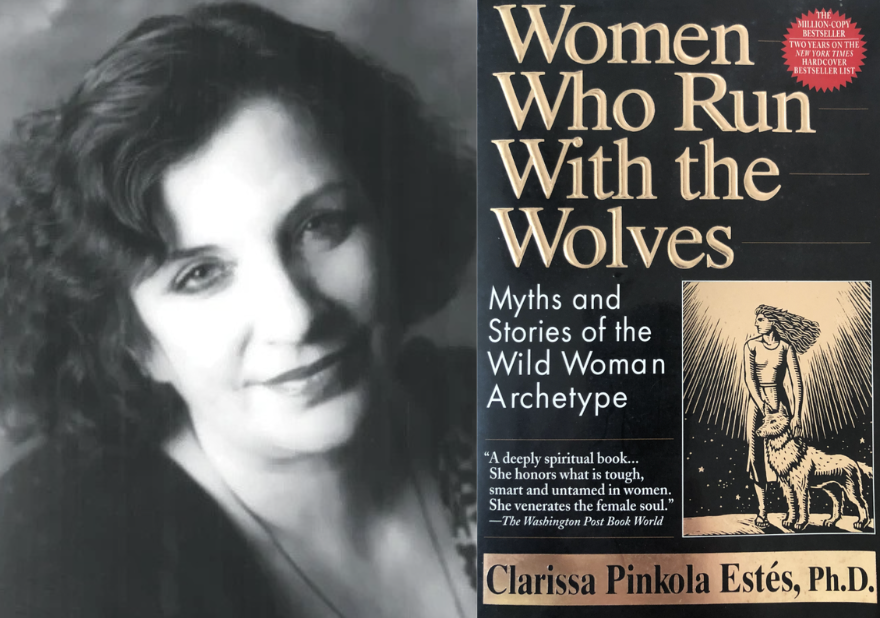
Clarissa Pinkola Estés, writer and Jungian anaylst, didn’t achieve literary fame until 47 after she published Women Who Run With the Wolves. It stayed on the New York Times bestseller list for 145 weeks. It was her audio series, The Late Bloomer, that gave me permission to embrace the pace of my life’s journey.
“What makes talent bloom? Ask what makes a tree blossom. They are the same. It is not unfathomable. It only takes concentration.
Concentration of energies is what makes a tree flower. Not bigger, not faster, not taking up more space. Rather … less space. Density … Pressure in hard places. Often, in the dark. Relentlessly. Freely. For as long as it takes.
Hold faith, a gestation can go long and for good reason, and nothing much shows above ground … But then, one day …”
Estés’s words have been a deep comfort for me in the times where I am tempted to look around and compare my progress to the progress of those around me.
There’s a unique kind of sorrow that comes with realizing “nothing much shows above ground” despite all the efforts you have put in.
You feel the real or imagined evaluation of the closest onlookers in your life- family, friends, colleagues.
“Do you think he’s really gonna pull this off? He’s been at it for some time…”
“Maybe he’s just procrastinating and trying to avoid the reality that he actually has no idea what he’s doing.”
While some people are certainly procrastinating in life, this is not the case for the late bloomer. Naive minds judge late bloomers as people who passively wait for their breakthrough. The stories of Rickman, Sanders, and Estés illustrate otherwise.
They were active all those years prior to their rise to fame, accumulating wisdom and experience, shedding what no longer served them, all in order to mature into the qualities, values, and character that formed the foundation of their success.
Society calls them late. Spirit whispers, “right on time.”
However, the path of the late bloomer is equally grueling as it is glorious. For an excruciating while it will feel as though you have nothing to show for it, just like the seed buried in darkness.
While you gestate in the darkness, you will die a thousand deaths- the old versions of yourself you thought were your identity, your preferred timeline for when you thought you’d arrive, and your plans for how it should all happen.
All of it will be melted in the crucible of life so that you may be purified and refined for the time of your blooming.

As I’ve learned to embrace the unique rhythm of my life and the wisdom of the late bloomers, I’ve come to realize something that I was not able to appreciate whenever I attempted to rush my development: the time spent gestating and concentrating our energy is meant to prepare us to be able to truly receive the fruits of our labor.
It is not enough that we have desires and aspirations for what we want to create or experience. Our desires and aspirations also exist to test our character. This is where the ego deaths come in.
Will you truly cherish the life that you say that you want? Or will you squander it away like those who win the lottery and end up in the exact same position they were in before they won? Are you willing to undergo the death and rebirth processes that must take place within you to reach your goals? Or do you simply want the results without any of the effort?
I could only answer these questions truthfully after going through the necessary ego deaths that transformed me. If you’d like to read about about three of the key ego deaths that transformed me along my path of maturation, you can find them here. The first one was a betrayal, the second one about love, and the third one about faith.
In an increasingly fast-paced age, may the wisdom of the late bloomer and the stories of my ego deaths guide you back to the natural rhythm of your innate design.
May these stories remind you that you are not behind, but you are right on time.
And may these stories encourage you to embrace the cycles of death, for they are intimately connected to new life that desires to be birthed through you.
Thank you for taking the time to read.
If you are interested in topics such as:
Psychospiritual inner work
Jungian depth psychology + shadow work
Relationships as a catalyst for growth and evolution
Existential musings
Insights on collective consciousness
Subscribe to my newsletter for weekly teachings and story-telling that will empower you on your journey of awakening.
Peace,
Roy